
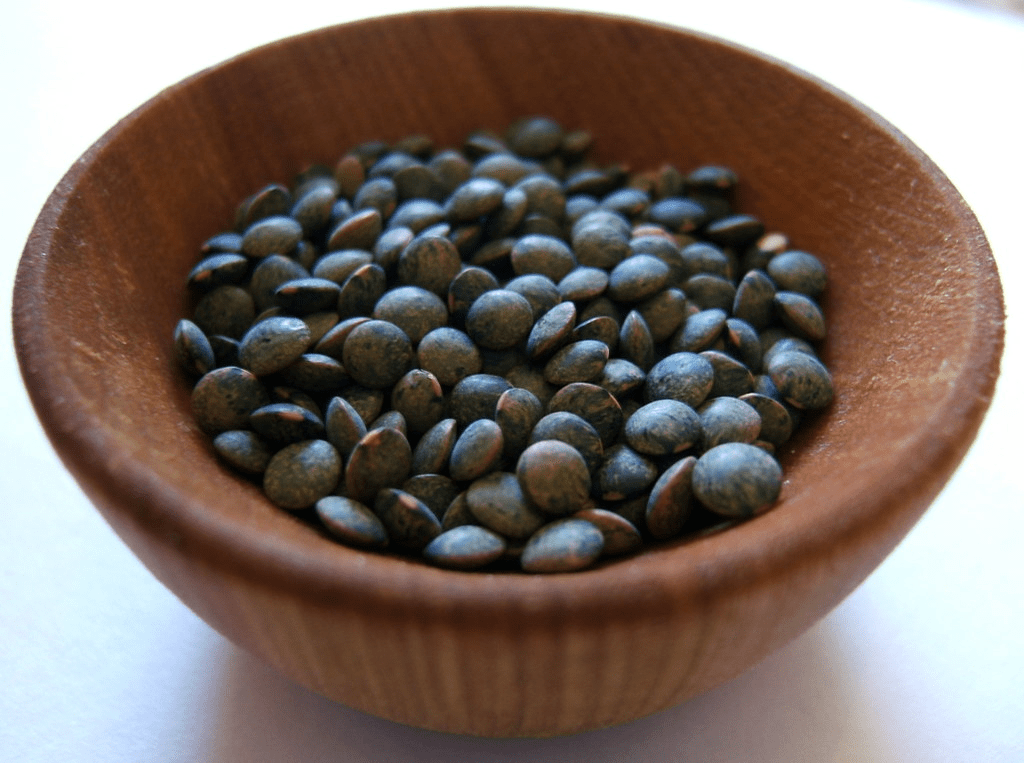
“Puy lentils” by WordRidden is licensed under CC BY 2.0.
Legumes are known for being an excellent source of plant-based protein, high fiber, and complex carbs. They are commonly eaten by vegetarians or vegans who want to get more protein in their diet, but also show up in unexpected places, like peanut butter. But, which legume is the best? That would be the lentil. It comes in five different colors; brown, green, red, yellow, and black, and is used in many cuisines all around the world. It is the best legume because it is the most sustainable, the most versatile, is higher in protein than most other legumes, contains plenty of fiber, and is extremely cheap.

Lentils are an extremely sustainable choice if you want to reduce your carbon impact. They have a much lower impact than other legumes, such as chickpeas and black beans. Lentils produce 0.9 kg of CO₂ per kg of
product, while chickpeas produce 1.2 kg of CO₂, and black beans 1.1 kg of CO₂. (Amazing Food & Drink, Sustainable Legumes). Lentils also take significantly less water to produce. According to wellbean.life, lentils consume 1,250 liters of water per kg produced, while chicken consumes 4,325 liters per kg and beef consumes 13,000 liters per kg. Compared to soybeans, another popular legume, lentils emit about 0.84 kg CO₂ per 100 g of protein, while Tofu (soy-derived) emits nearly 1.98 kg CO₂ per 100 g of protein. If lentils are farmed correctly, they can even have a negative carbon impact, as well as improve the soil by fixing nitrogen (animalagricultureclimatechange.org).
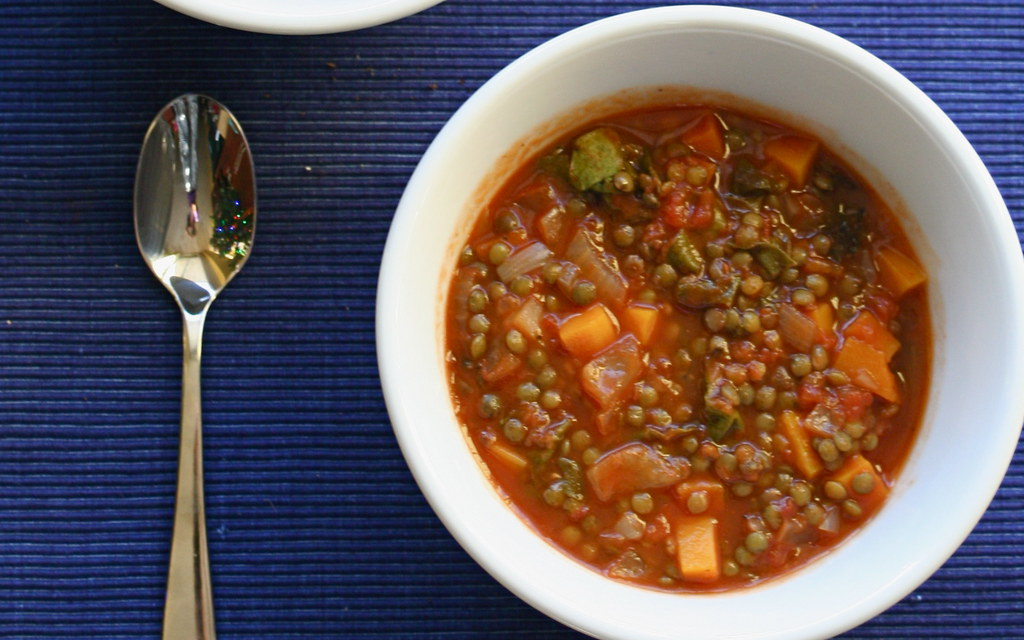
As well as being the most sustainable, lentils are also the most versatile legume. Legumes, like lentils, can be used as meat substitutes. There are also many more uses, including baked goods, chips, and crackers. Lentils are the most versatile legume because they have the perfect size and texture for many different applications. Soaked lentils can be blended to make a dough, which can be used to make tortillas. They are also uniform in size and shape, unlike some other legumes, which are oddly shaped like kidney beans and garbanzo beans. This makes legumes practical for use as a ground meat substitute, as the have the same texture all over. Red lentils are great for soups, as they easily break apart once cooked and can be blended, lending the soup a creamy texture without using any dairy products or flour. Lentils are also commonly used in curries, veggie burgers, and stews.
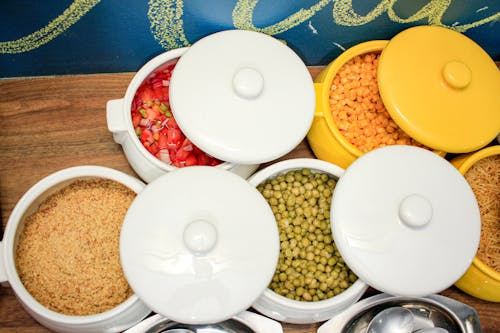
Legumes are the most versatile, but also very high in protein. 1 cup of cooked lentils contains 18 grams of protein, while 1 cup of chickpeas and 1 cup of black beans contains 15 grams of protein, and green peas offer only 8 grams of protein per cooked cu. (timesofindia.timesofindia.com). However, Soybeans contain more protein, with 29 grams per cooked cup.
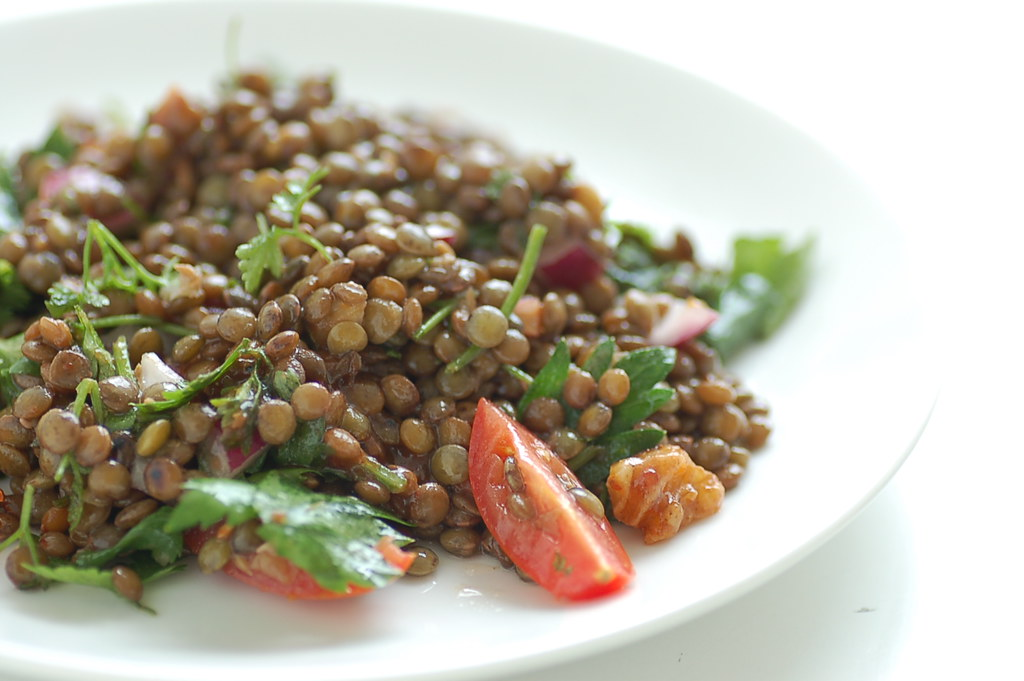
Though not being the highest in protein, lentils make up for it with their high fiber content. Lentils contain 7.8 grams of fiber per half cup cooked, while soybeans contain only 5.2 grams of fiber per half cup cooked. (dietaryguidelines.gov) Though lentils aren’t the highest fiber legume, as navy beans contain 9.6 grams of fiber per half cup cooked, they have the best of both worlds by being both high in fiber and protein.

Finally, lentils are also a very cheap legume. The retail price for lentils in the U.S. Is between $0.44 and $0.84 per pound (salinawamucii.com), while the average retail price for dried beans in the U.S. is $1.56 (fred.stlouisfed.org). Soybeans are slightly cheaper than lentils, with retail prices in the U.S. at $0.26 to $0.44 per pound (salinawamucii.com). However, tofu, which is a soy-based food commonly used as a meat substitute, ranges from $2-$4 per pound (qualipasindustries.com). This makes lentils one of the cheapest options for plant-based protein.

Next time you walk down the aisle of canned beans, looking at all of the options, maybe grab a can of cooked lentils, or buy a bag of dried lentils. Try it in some new recipes, like a soup or stew, or use them as a meat substitute in tacos or burgers. Choosing lentils will benefit the environment, your wallet, and your taste buds.
 Matt's Meals
Leave a comment