
Vital wheat gluten is an uncommon sight in an everyday pantry. What is it even used for? Well, vital wheat gluten is actually a very useful item to have on hand for just about anybody. It is made from the main protein found in flour, gluten. It can be used in many different ways, it’s not very expensive, and it works well with many recipes.
Vital wheat gluten has multiple very important uses. Its most common use is for baking, as it adds gluten to dough or batter, strengthening it, increasing its elasticity, and giving a better crumb and chew (Hayley Sugg, AllRecipes). Another very important use is as a vegan meat substitute. Vital wheat gluten contains high amounts of protein and iron; nutrients that are commonly lacking in vegan diets. It also creates a similar chewy texture to real pieces of meat, making it a popular choice for vegans or people looking to reduce their meat intake. Vital wheat gluten can even be used as a substitute for protein powder in baked goods. It will slightly affect the texture of the recipe, but vital wheat gluten is cheaper than most protein powders.

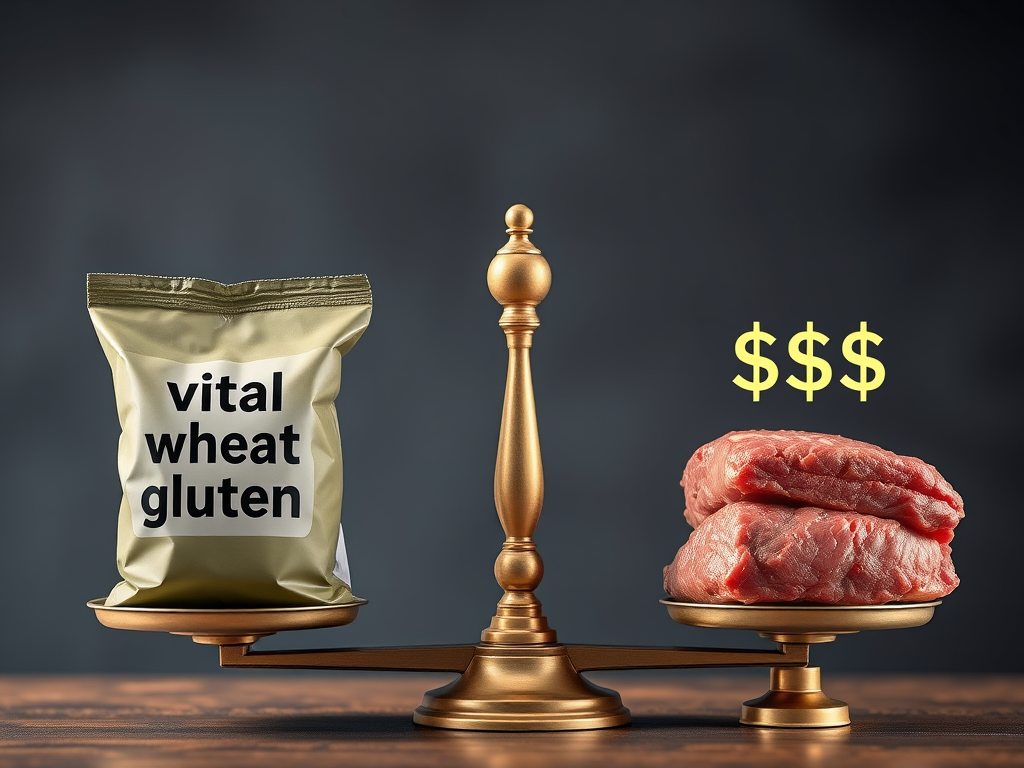
Vital wheat gluten is a budget-friendly food, being cheaper than most meats and protein powders. For example, the average price for a pound of wheat gluten is around $4-$7, and contains 340 grams of protein. While a pound of beef on the other hand costs an average of $6.25, but only contains 120 grams of protein. This makes vital wheat gluten much cheaper per gram of protein than beef. It is also cheaper than pea protein, despite being less dense in protein. Pea protein costs on average $9-$12 per pound, with 370 grams protein, while vital wheat gluten only costs $4-$7 per pound, but with 340 grams of protein. However, vital wheat gluten is still cheaper because the price per gram of protein is 1.5 cents, while the price per gram of pea protein is 3.2 cents, double that of wheat gluten. This makes it great for vegans who are trying to save money.
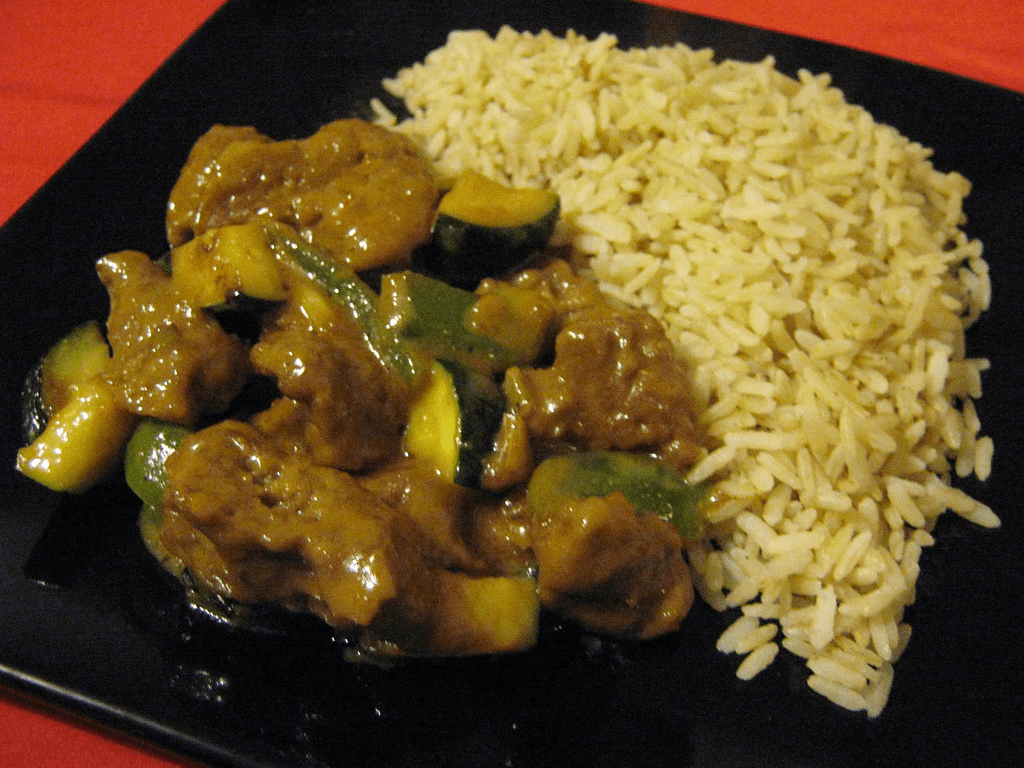
As well as being quite cheap, it can be used in a variety of recipes. Vital wheat gluten is commonly used in bread breaking to improve rise and texture, but it can also be used in baked goods, like protein muffins, pancakes, and waffles. However, it’s not recommended for some baked goods because vital wheat gluten can cause them to become dry and rubbery, so experimentation may be necessary. The most popular use of vital wheat gluten is making vegan meat substitutes. A common recipe using it is Seitan, which has a very similar texture to chicken. Another way it can be used is in meatballs to give them a chewy texture and protein without meat. Seitan is great for holiday meals, like a vegan roast turkey or ham, curries, sandwiches, tacos, wraps, and stir fries.
With so many ways to use vital wheat gluten, it’s clear that it should be in everyone’s pantry, even if they aren’t vegan. I use it on a daily basis for meat substitutes and baking, and maybe you will too. If you found this post helpful, be sure to subscribe to my blog and like this post, comment your thoughts and opinions, and share this with your family and friends. Now, here is a picture of a baby cheetah to brighten your day.

 Matt's Meals
Leave a comment