
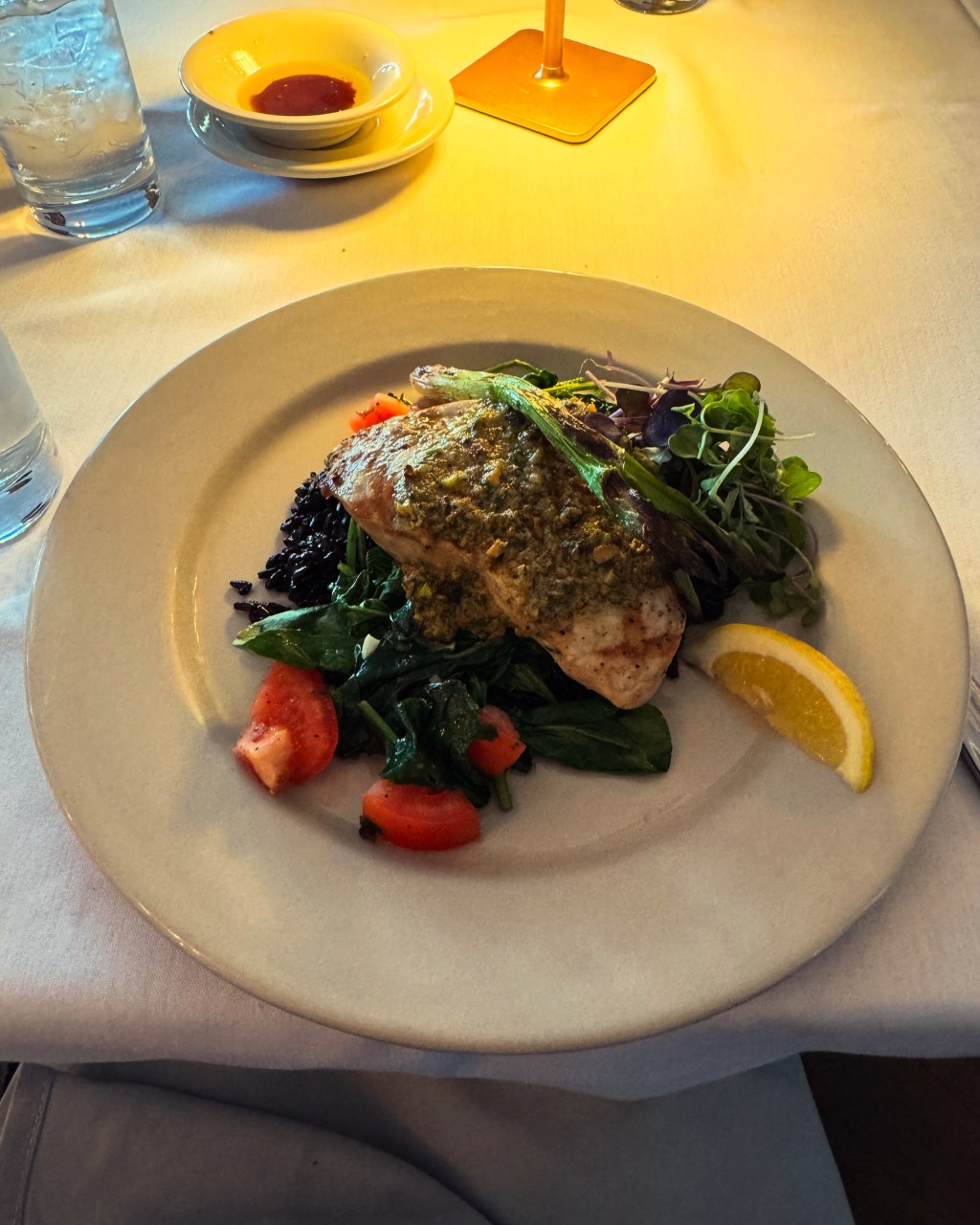
Almost ten months since this post was written, I decided to become pescatarian, because I wanted to decrease my impact on the environment, improve my health, and I absolutely love seafood. So far, it’s been going great! I haven’t missed any other types of meat, I feel good, and I’ve decreased my spending on more expensive meats like beef and chicken. Becoming pescatarian has also helped my creativity in the kitchen, making me a better cook. So, I wanted to share with you what I eat in a typical day, so you can get ideas if you’re looking to become pescatarian or vegetarian, or you just want to eat healthier. Let’s get started!
Breakfast:
Arguably the most important meal of the day, and with some of the tastiest food. I think it’s crucial to always eat breakfast; you need to fuel your day somehow! Even if you’re not really hungry (Which, how aren’t you? You haven’t eaten in eight or more hours!), a small bowl of low-sugar cereal, eggs, whole-grain toast, or a medium fruit will get you through the morning. Because I’m pescatarian, I can’t have meats that are traditionally eaten at breakfast I.E. bacon, sausage, and ham, but you don’t really need those. They are a good source of protein, but they’re full of saturated fat and salt, which aren’t going to energize you. Thankfully, there are many healthier protein sources that double as breakfast foods. Here are some sample meals that energize me in the morning and are high in protein:
- Oat groats, eggs, greek yogurt, and mixed berries.
- Whole grain cereal with nuts/seeds and berries.
- Whole wheat toast with nut butter or sugar free jam, with a side of scrambled tofu.
As you can see, I love whole grains, as they give sustained energy, fiber, and minerals. If you’re wondering what oat groats are, they’re completely unprocessed oats (besides the removal of hulls, which you can’t really eat.) I love them because you cook them in a slower cooker so they’re hot and ready in the morning, they have a delicious flavor, and they keep me very energized; perfect for morning exercise. Greek yogurt is a healthy and high protein food, as well as eggs, nuts, and tofu.
Lunch
Another very important meal, lunch helps keep you going through the day. Ideally, this meal should also be high in protein, whole grains, vitamins, and minerals. It’s common to have sandwiches with white bread, ham, and cheese, but these will not keep you going. They’re high in sodium and saturated fat, low in fiber and minerals, and kind of boring. To keep sandwiches interesting and healthier, I like to have tuna sandwiches on whole wheat bread with spinach, avocado, and tomato. They’re much healthier than a ham and cheese, taste absolutely amazing, and keep you going through the day. I also like to have some fruit on the side, and sometimes I’ll have veggies and hummus for added fiber, protein, and vitamins. Here are some lunches I love to bring to school that are meal prep friendly:
- Tuna sandwich on whole wheat bread, with spinach or other greens, hummus or avocado, and a medium fruit.
- Tofu fried rice with broccoli, peas, carrots, and brown rice.
- Black bean nachos with guacamole, Greek yogurt instead of sour cream, and air-fried corn tortilla chips.
All of these meals are quite simple to make, taste delicious, and are healthy! They really help to get me through the rest of the day and power through afternoon exercise, and as a bonus, they impress my friends.
Dinner
By far my favorite meal in the day, as it’s usually the biggest and most diverse, dinner is important for recovery after a long day. There are a lot of traditional dinner foods I cant have I.E. burgers, steak, baked chicken or turkey, beef tacos, chili, ham, and fried chicken, but there are many even tastier replacements that are out there. I honestly think that seafood tastes much better than other types of meat, and it’s healthier and more sustainable. Just make sure you choose sustainable varieties, like wild caught salmon, farmed tilapia, sardines, farmed oysters, and mackerel. If you’re really craving steak, tacos, or chili, then no worries! Seitan has a chewy, meat-like texture, and is extremely high in protein in iron. However, it’s not suitable for people with celiac or gluten intolerance, as vital wheat gluten is the main ingredient. Then there’s tofu, which can soak up flavors like a sponge, is a complete protein, a great source of calcium, and can be used in hundreds of ways, including cheesecake! However, some are allergic to soy, tofu’s main ingredient. Lentils are another great meat substitute, as they’re extremely cheap, sustainable, versatile, and full of fiber, minerals, and protein. Mushrooms can also work as a meat substitute, though they’re not quite as high in protein and have a strong flavor. There’s many more vegan protein sources I could mention, like T.V.P and seaweed, but that would take too long to write. Anyway, my point is that it isn’t necessary to use meat in every meal, or even every day. I sometimes go for a week without eating meat, and I still have plenty of energy and strength for swimming, running, biking, and lifting. Here are some sample meal ideas that I’ve eaten:
- Salmon Chili with beans and kale, served with healthy cornbread.
- Lentil or Tofu tacos (you can even make tortillas from lentils!) with corn or whole wheat tortillas.
- Tofu or Chickpea Stir fry with brown rice and veggies.
- Tofu steaks with low-fat mashed potatoes and marmite gravy, with a side of steamed veggies.
- Seitan or Lentil meatballs with whole wheat spaghetti and tomato sauce.
These meals are delicious, high in protein, fiber, vitamins, and minerals, and help fuel my recovery and prepare me for the next day. I usually like to have a side of steamed veggies with each meal for the fiber, vitamins, and because I love them. If a meat substitute doesn’t taste meaty enough to you, try adding soy sauce, miso, Worcestershire sauce, or nutritional yeast. These all have a strong umami flavor which can make it taste more meaty.
Snacks
Snacks are a great energy booster, especially before a workout. I like to have things that give me lots of energy, so I usually eat both protein and easier to digest carbohydrates. Here are some examples:
- Sliced banana topped with peanut butter
- Apple slices and almond butter
- Pumpkin seeds and dates
Nuts are a great source of protein and healthy fats, and they’re a high energy food. I like to pair them with fruit for a sweet contrast and easily digested energy from the sugars.
And that’s what I eat in a day! I hope you take inspiration from my diet to try and better your health and the environment. I also want you to know that it’s important to eat three meals in a day for optimal energy. Don’t listen to those fads that tell you to skip meals; that isn’t good for your body.
Questions and answers
- Question: How much do you eat in a day?
- Answer: I usually eat around 2500 to 3500 calories, depending on how much exercise I do in a day. I like to eat lower fat foods, as I’ve found that foods high in fat irritate my stomach. I eat lots of carbs and protein to fuel my exercise.
- Question: Do you ever miss other meats, like chicken, beef, or pork, even a little?
- Answer: Nope, not even a little. Seafood satisfies all of my cravings for meat.
- Question: You still eat eggs, dairy, cheese, etc.?
- Answer: Yes, those are all part of my diet. I describe it to people as being vegetarian, but I can also eat seafood.
- Question: Did you decide to pescatarian for ethical reasons?
- Answer: No. I decided to become pescatarian because I wanted to improve my health and have less of an impact on the environment. Fish causes much less emissions than cows, chickens, and pigs.
- Question: Does being pescatarian cause awkward situations?
- Answer: Yes, sometimes people aren’t aware, but usually it isn’t a big deal. When I go to family dinners, I like to know the main course in advance and I plan accordingly. If there isn’t a source of protein I can eat, I usually like to pack my own. Most restaurants nowadays are also pretty accommodating to dietary preferences, so I don’t worry about that either.
 Matt's Meals
Leave a comment