
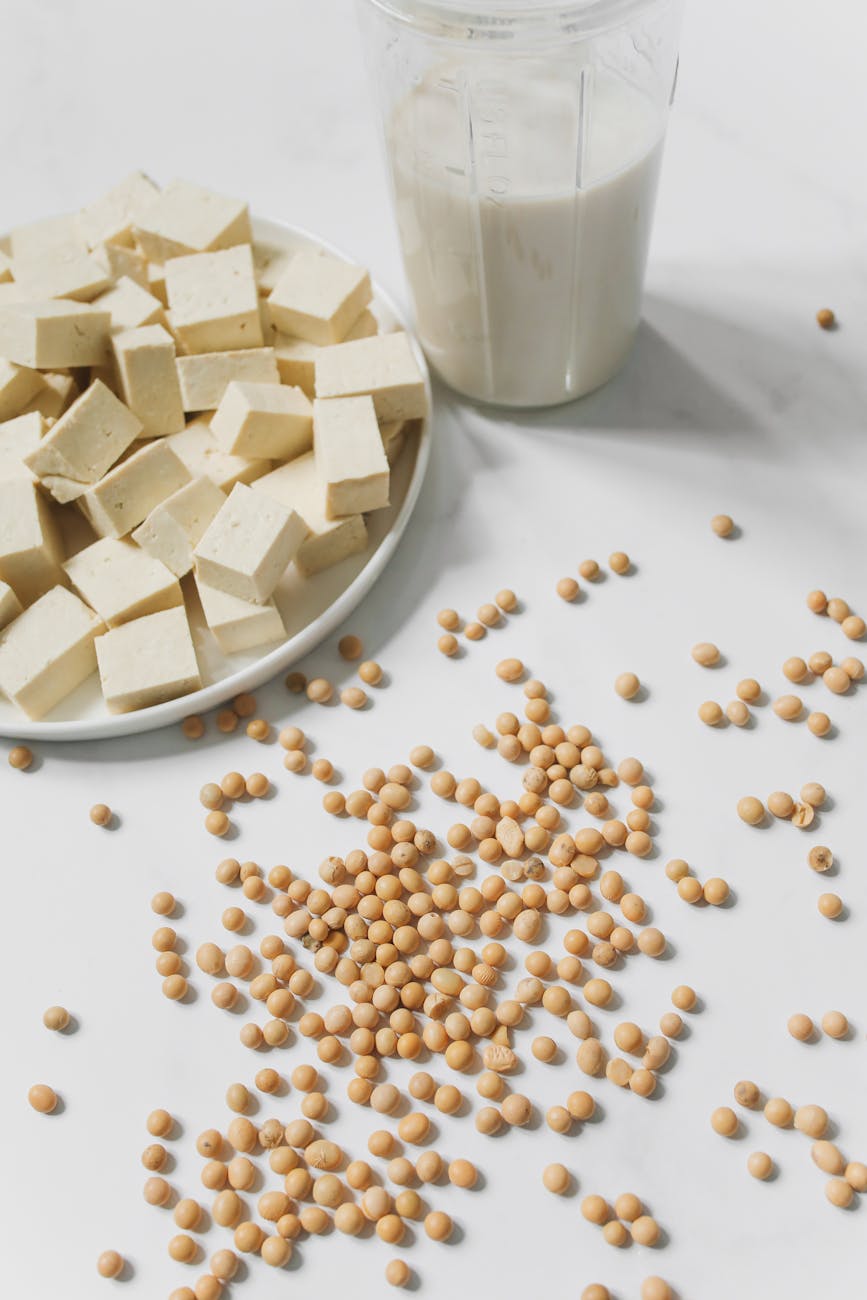
Soybeans are the sixth most produced crops in the world, with over 340 million metric tons produced in 2020, according to the Food and Agriculture Organization. It might be a surprise that many processed foods contain soybeans, like candy bars, sauces, granola bars, and crackers. Just take a peak at the back of any packaged food, and you will see Contains Soy printed under the ingredients list. You might wonder why soybeans are found just about everywhere. Well, they’re highly nutritious, super delicious, and have hundreds of different uses, and processed food companies take advantage of their versatility by adding it to their products. Because it’s used in so much processed foods, it might be a surprise to learn that getting more soy in your diet can have some real nifty benefits.
Health Benefits of Soy
Soybeans are extremely nutritious food that can offer plenty of benefits to your body when added to your diet, which is fairly easy to do.
First, they’re an excellent source of protein, which makes it a holy grail for vegans, or others trying to cut down on their animal consumption. Soy protein also contain all nine essential amino acids, making it a complete protein.
Soybeans also contain mostly polyunsaturated fats, which are extremely good for your heart. These fats help your brain function and they keep your blood healthy.
Soybeans also contain plenty of great vitamins and minerals, which include:
Vitamins:
- Folate
- Vitamin K
- Thiamin (Vitamin B1)
- Riboflavin (Vitamin B2)
Minerals:
- Calcium
- Iron
- Magnesium
- Phosphorus
- Potassium
- Zinc
As shown by the lists above, soy contains plenty of good things to help keep you at your best.
Soybeans also contain plenty of fiber, which can improve your gut health. They contain both soluble and insoluble fibers, which both contribute to healthy bowels. Try to aim for whole soybeans, like edamame, because they are less processed, and so they contain more fiber. However, even tofu, a slightly processed soy product, can contain a little fiber.
Soybeans also contain antioxidants, which help to prevent cancer by eliminating free radicals from the body.
Downsides of soy.
Even though soybeans are great for you, they may not be the best choice for everyone.
First, soybeans are said to contain phytoestrogens, an estrogen-like hormone in plants that can cause adverse effects in both males and females.
Second, the insoluble fiber in soybeans, alpha-galactosidase, may cause flatulence and diarrhea in some individuals.
Last, Soybeans contain phytic acid, a chemical which some say can inhibit the absorption of important minerals like zinc and iron.
While these claims are debatable, the final choice is up to you, the consumer, to decide if you want to add soy into your diet. Just make sure you aren’t allergic to it!
How do I get more soy in my diet?
Well, there are literally hundreds of imaginative ways to consume these green pods of goodness.
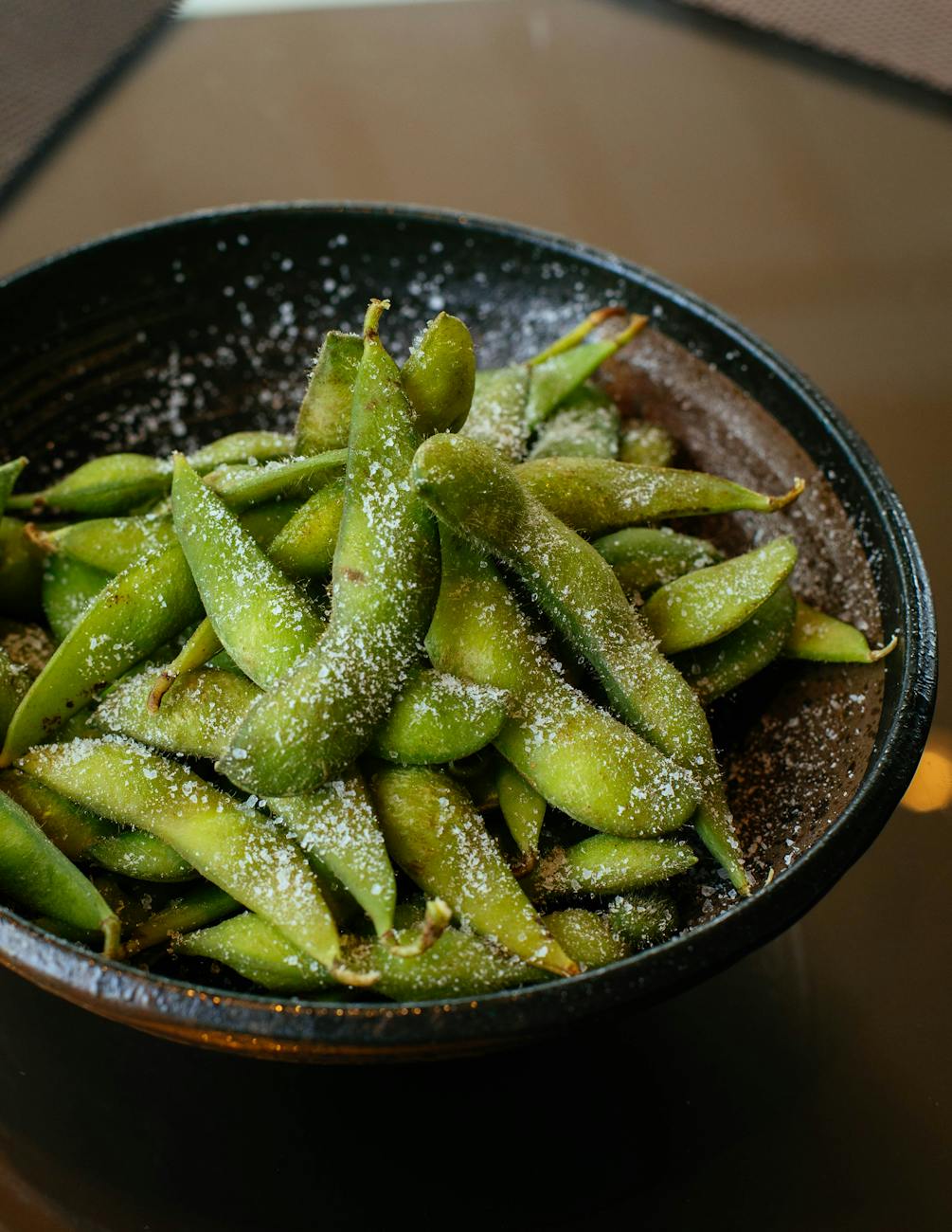
First, there’s just the classic edamame, which are soybeans that are picked at a very young age, and are usually roasted or steamed to perfection, and then they are topped with a generous sprinkle of sea salt. Edamame can either be served in or out of the pod, depending on preference.
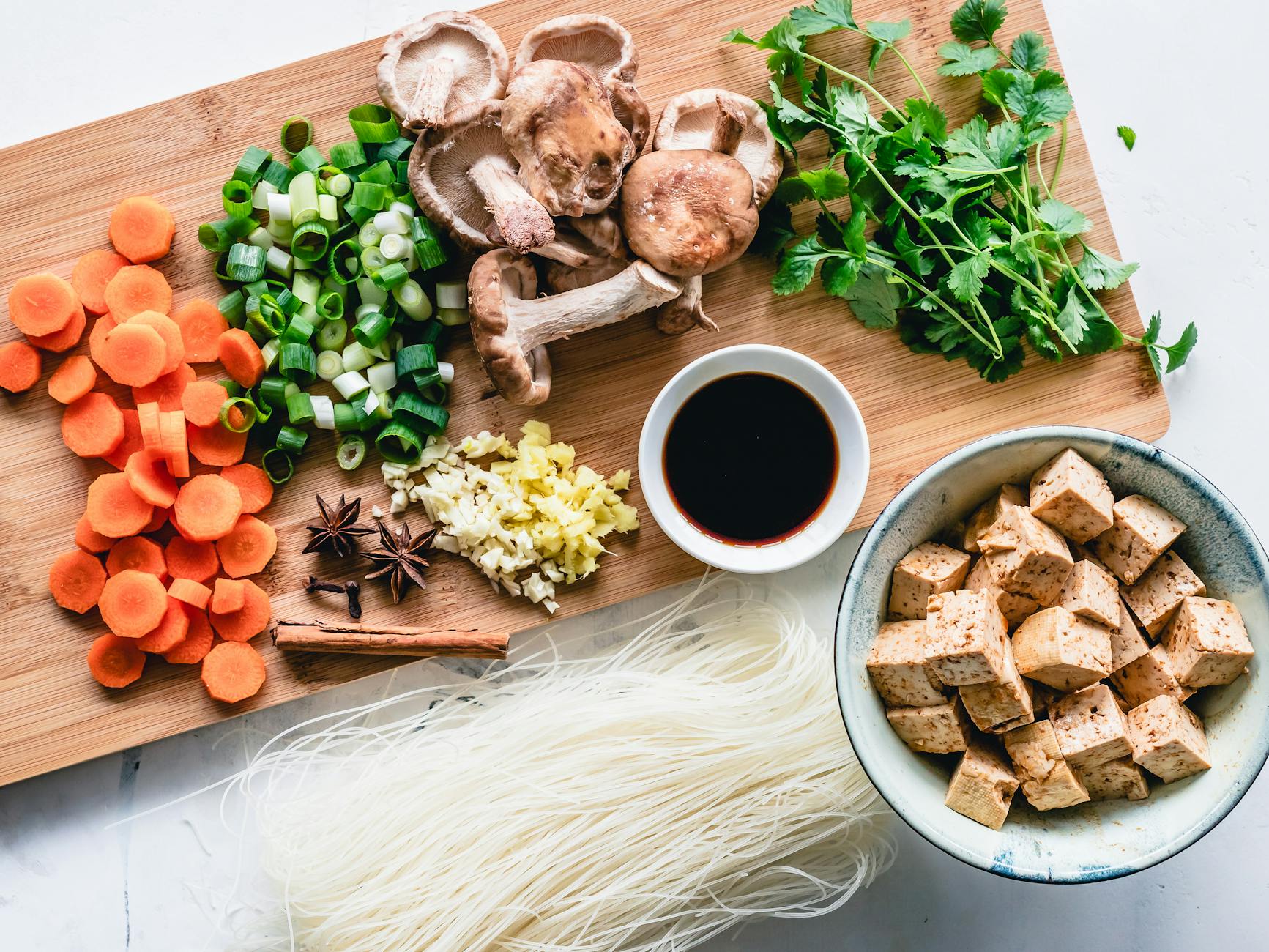
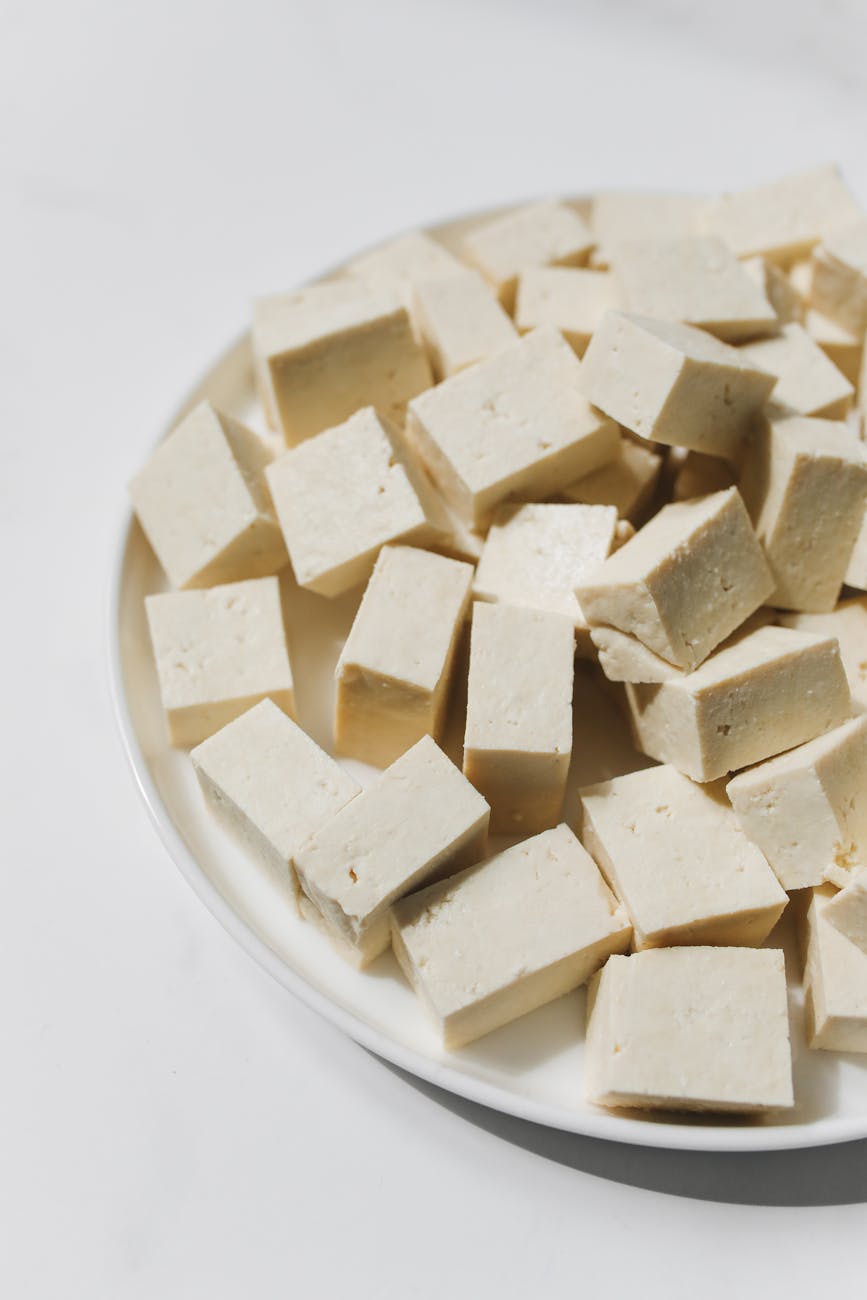
Next, there’s the humble tofu, which is made from soy milk curdles. Tofu is a great meat substitute because of its chewy texture, which is very similar to meat. Its also extremely versatile, and can be used in many dishes; you can crumble it into taco meat, stirring it with fresh olive oil and fragrant spices, or cut it into cubes, marinated in a delicious sauce, and then tossed in a stir fry, cut it into sticks to make crispy “chicken” fingers that are better than real chicken, or make juicy steaks out of it! Other types of tofu, like silken tofu, which is much softer than its firm counterpart, can be used in both smoothies and deserts.
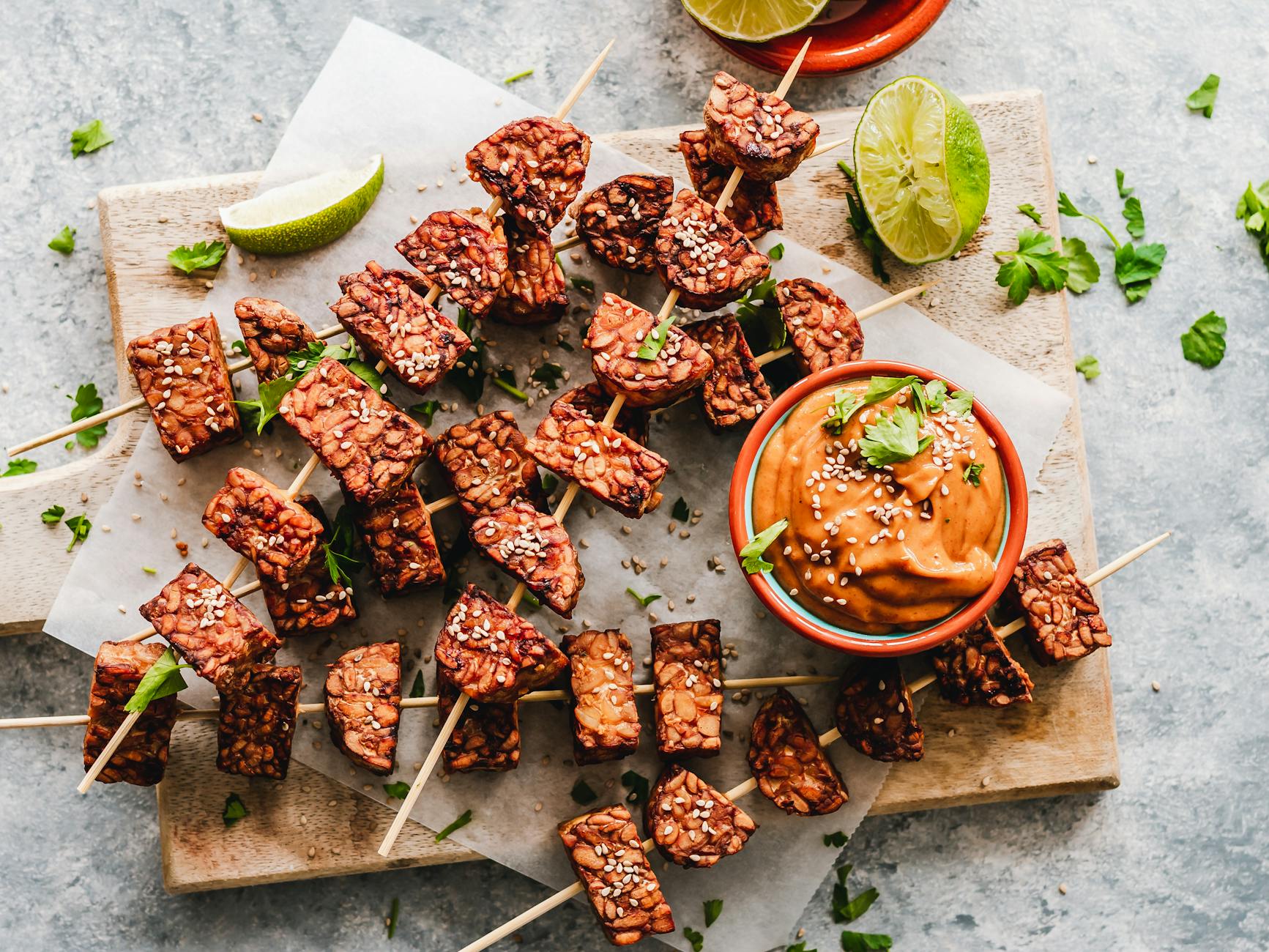
Next up, there’s Tempeh. It’s sort of similar to tofu, except that the soybeans are still intact. It’s made from fermented soybeans, which are usually mixed with a grain like brown rice. It has a delicious, nutty flavor and a great chewy texture. Tempeh contains significantly more fiber and protein than tofu, because the soybeans are still intact. It can be used almost exactly like tofu in any dish, replacing animal protein.
Then there’s soy milk. If you have an allergy to dairy, or you just want to eat less animal products, then soy milk is the perfect option for you! Nutritionally, It’s very similar to low fat milk. It’s much better than other types of plant based-milk options because it contains more protein, and it is better for the environment. Soybeans take one tenth as much water to grow as almonds do! Soy milk tastes great when poured over cereal, mixed into baked goods, or just to drink with warm cookies.

There are also plenty of other soy products out there in the world which are used to enhance the flavors of dishes. like soy sauce and miso. Soy sauce is great when paired with sushi, or used in a sauce. Miso makes a great soup, filled with delicious, creamy tofu, umami seaweed, and tasty mushrooms!

There are many ways that you can fit soy into your diet, which can benefit both yourself and the rest of the planet. Not only do soy products taste absolutely amazing and are super versatile, but they can provide lots of essential vitamins and minerals. You don’t have to go vegan to enjoy soybeans, so why not pour some soy milk on your cereal, or drink a glass with a fresh baked chocolate chip cookie? The possibilities of soybeans are endless, and so are the benefits.
 Matt's Meals
Leave a comment