
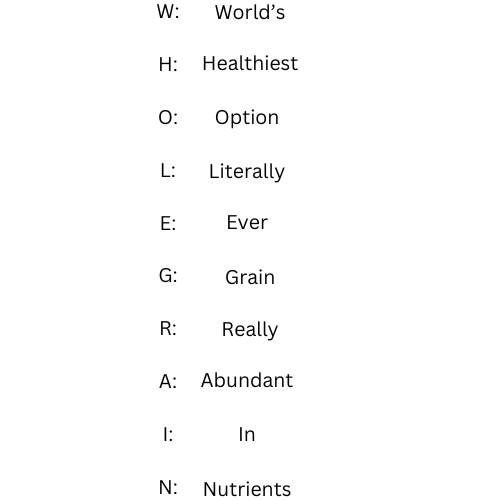
You’ve probably heard of a whole grain. You’ve heard that you should try to get more of them in your diet, because they’re better for your health than refined grains are. But why is that? How are they better for you? and what even is a whole grain to begin with? Whole grains are much healthier, taste better, and are becoming more popular everywhere. It would be beneficial if you went out of your way to get whole grain products.
What exactly is a whole grain?
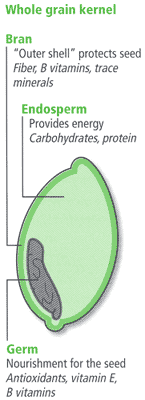
Well, you probably already know what a grain is. They’re used in cereal, in side dishes and entrees, as animal feed, to make bread, to brew beer, and to make syrups. They’re a staple food in many cultures because of their high carbohydrate content, which is the body’s main source of energy. They are also easy to grow in large quantities in a small amount of land, making them a popular choice for farmers. So what exactly is a whole grain then? First, you need to know the three parts of a whole grain. First there’s the endosperm, the starchy stuff in the middle. Then, there’s the germ, a great source of vitamins and fiber. Then, there’s the bran, which is similar to the germ, but contains more fiber. When you bake a batch of cookies, the recipe usually says to add all purpose flour. You know the stuff. The white, powdery substance that doesn’t really taste like much. That’s a grain, more specifically, ground wheat endosperm. It is not a whole grain, rather, it’s considered a refined grain, because the wheat kernel has been stripped of the germ and bran, leaving only the endosperm. Whole grains keep the germ, bran, and endosperm of the grain, making it more nutritious and adding flavor.
What do Whole Grains Taste Like?
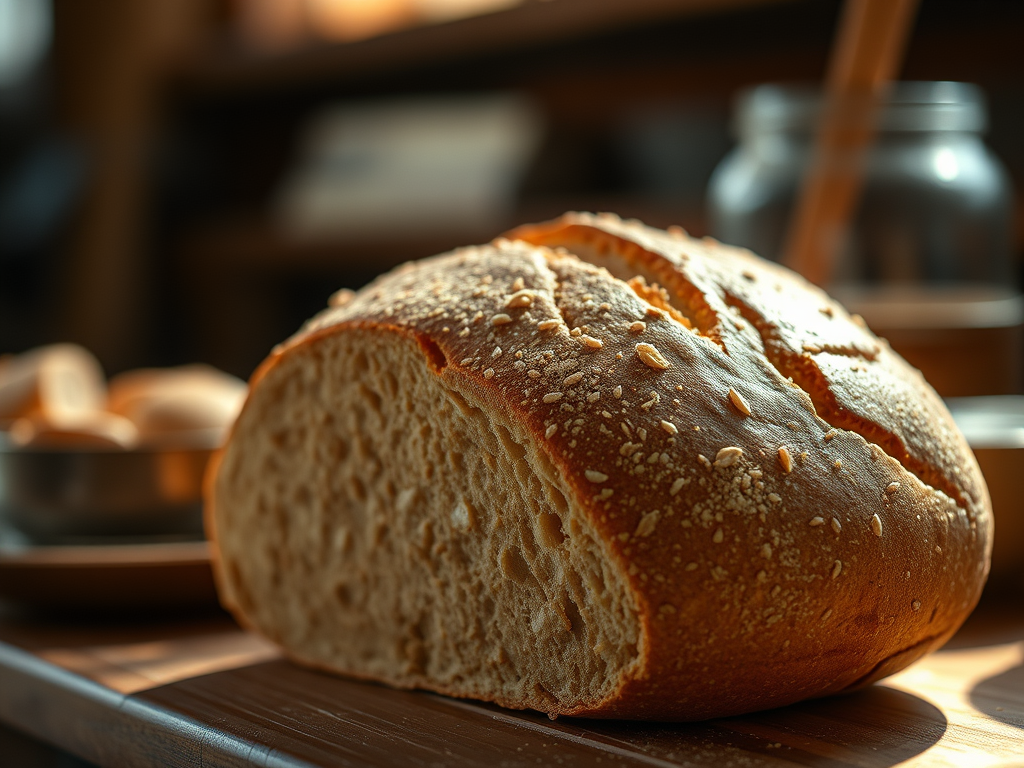
Whole grains usually have a stronger flavor than their refined counterparts. They are usually nuttier and chewier. Whole grain bread tastes similar, but its texture is slightly different from white bread. If you don’t really mind stronger flavors, then you should always use whole grains in your cooking or baking.
How do I know if my grains are whole grain?
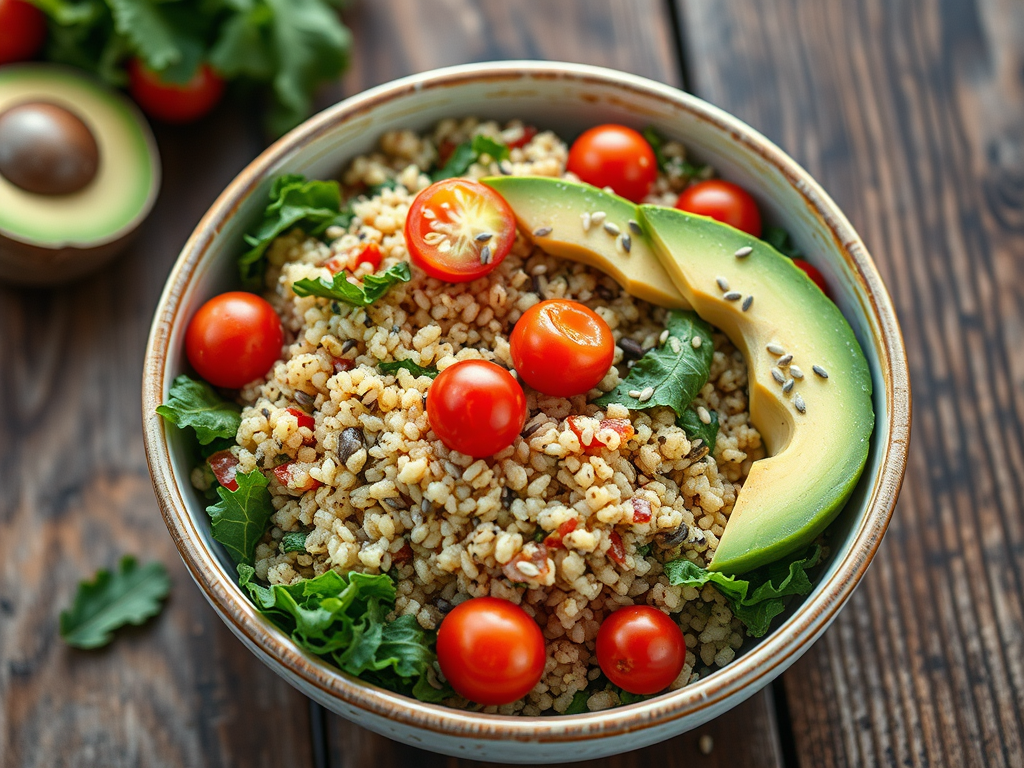
Food companies technically aren’t required to state if something is a whole grain, but there are many ways to tell. First, you can look in the ingredients for the words “whole grain” or “wheat.” Whole grains are also usually browner in color, although there are some exceptions (Like Quinoa, which actually isn’t even a grain.)
How can I use more Whole Grains?
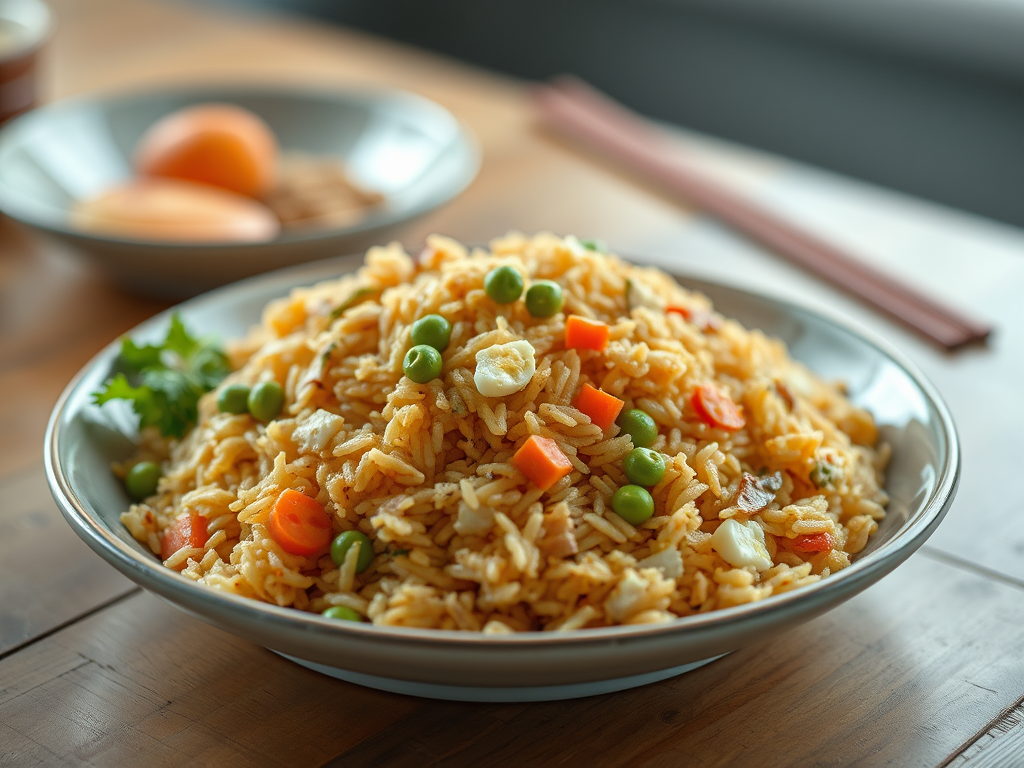
There are many strategies you can use to get more whole grains in your diet. Try swapping out your white rice for brown, or swapping normal pasta out for whole wheat pasta. Try buying whole wheat bread instead of white bread. Buy whole wheat flour, and try baking your favorite recipe with it. You can also get even more creative by trying other whole grains. Quinoa is super healthy, and works great as a rice substitute. Oatmeal is a popular breakfast food. Wild Rice, a staple food of Native Americans, is absolutely delicious. You can even get more whole grains in your diet by eating popcorn! That’s right, popcorn is technically a whole grain.
Why should I get whole grains?
There are tons of reasons why you should get whole grains, but the main one is their nutritional benefits. Whole grains contain more fiber and vitamins than refined grains. Whole grains are an excellent source of Iron and Folate, which are needed for proper functioning of the brain. They are also high in other vitamins, like Vitamin E, Magnesium, Selenium, Phosphorus, and B Vitamins. It should be a priority to get more whole grains in your diet, because of their incredible health benefits and superior flavor.

 Matt's Meals
Leave a comment